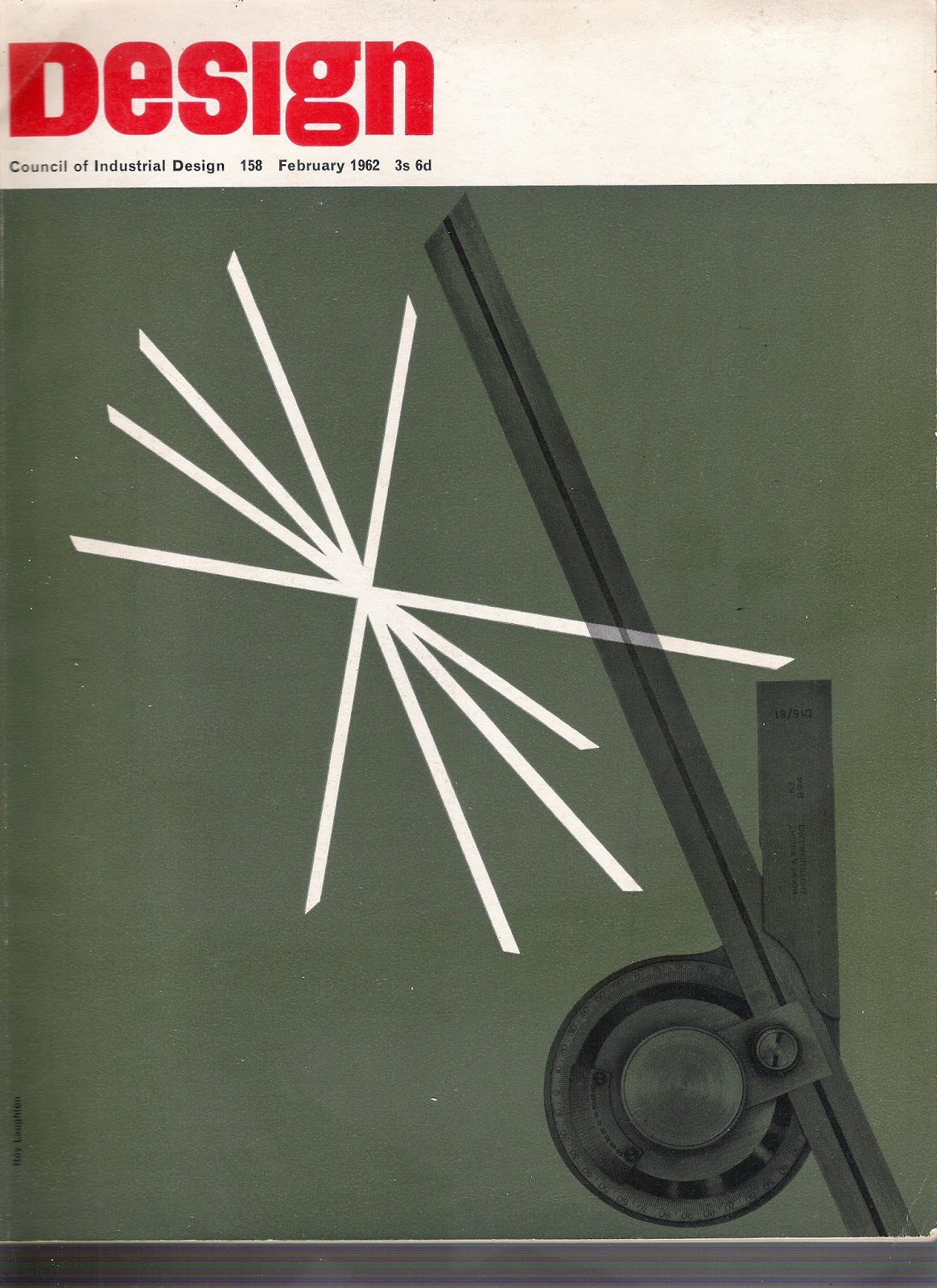
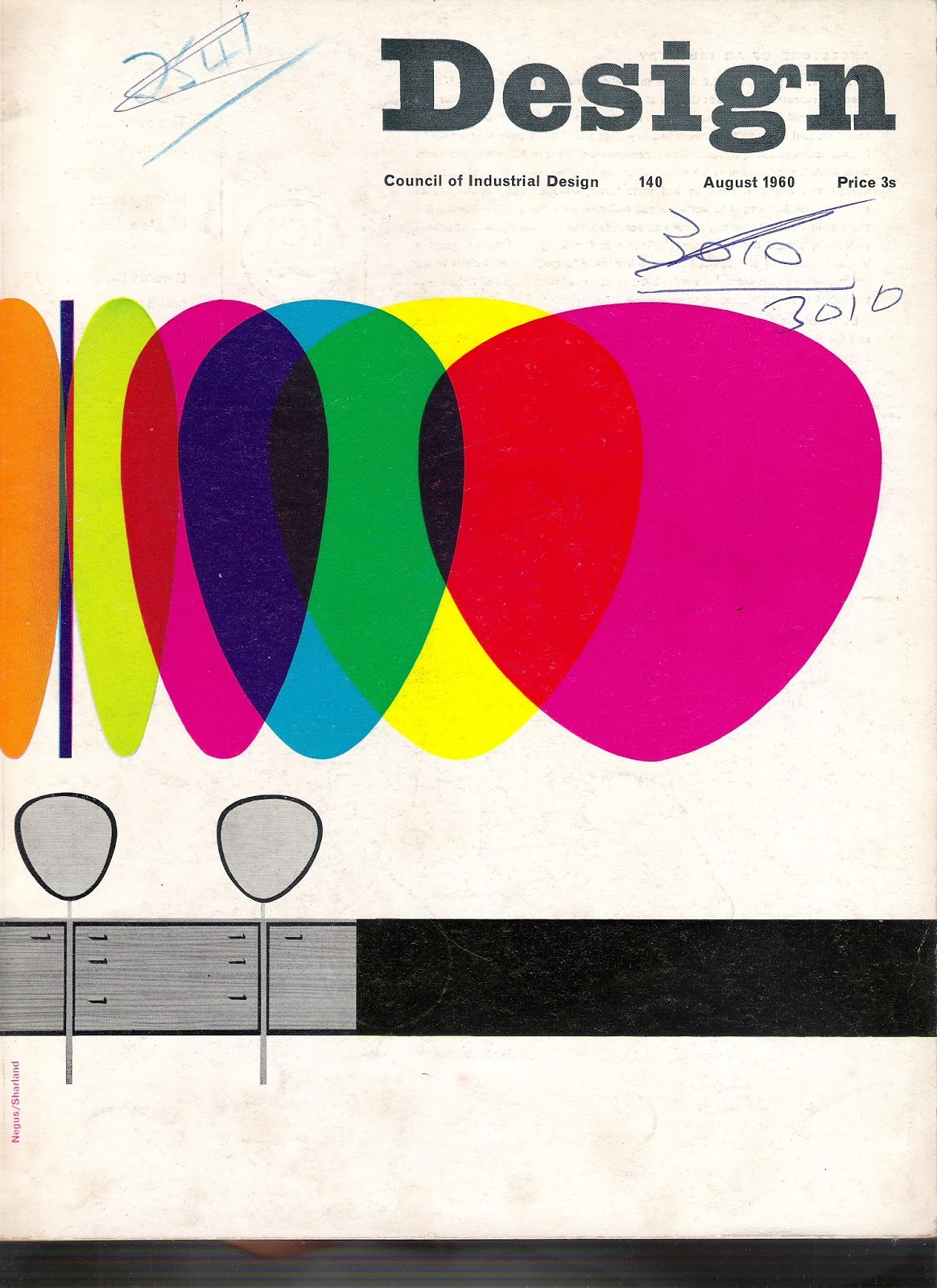
I've been on a bit of a hiatus with the--dream--machine, work and life got in the way for a bit there. I decided to refresh things with a new logo. I wanted something that referenced my initial inspiration for naming this blog, Gysin and Burrough's dream machine, specifically the shapes cut from it's surface.
These shapes led me onto modular typefaces, specifically one based on Ken Garland's beautiful typeface as used on the cover of his Graphics Handbook, published by Studio Vista in 1966. I made a few adjustments but tried to stay true to Ken's amazing work.
Hungarian Peter Foldes remains an unsung hero of animation. Starting his career working with John Halas, he went on to produce his own films, including one of the most influential animated films ever made 'A Short Vision', a depiction of the horrors of nuclear war. It was originally screened on US television in 1956 as part of the Ed Sullivan Show and caused outrage due to it's graphic content. The film still retains it's power today:
His subsequent films pioneered the use of computer animation, which he used to great effect to convey his long-running theme of metamorphosis and transformation. His first experiment with this technology was Metadata (1971) and can be considered the first computer animated film:
The most well-known of his films from this period is Hunger (1974), winner of the short film Jury Prize at Cannes and Academy Award nominee. It used a technique known as tweening to merge one image into the next:
Below are some tantalising glimpses of films as yet unavailable, Je, Tu, Elles (1969) and Visages de Femmes (1969). Both show the distinct style of line-work that Foldes developed.
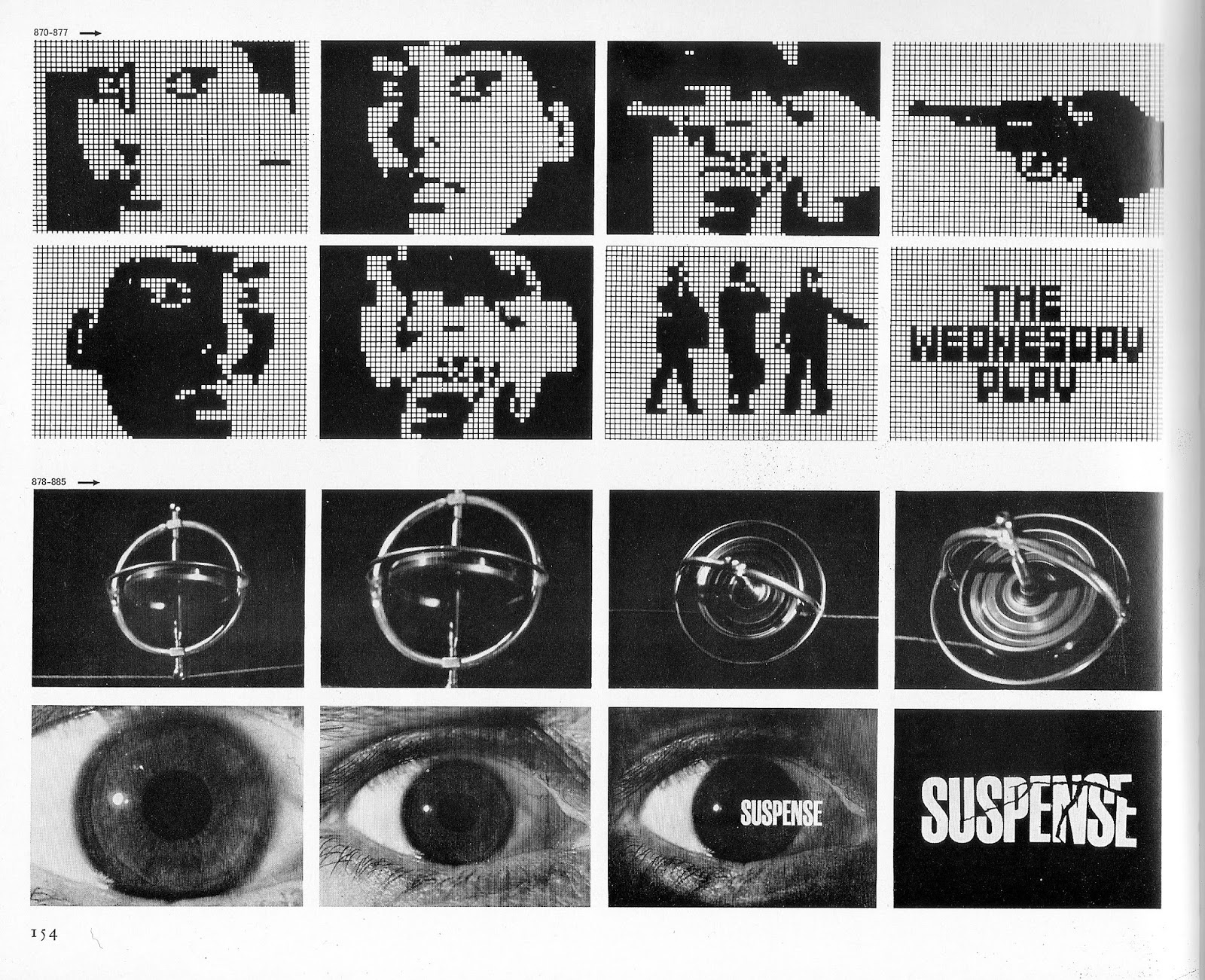
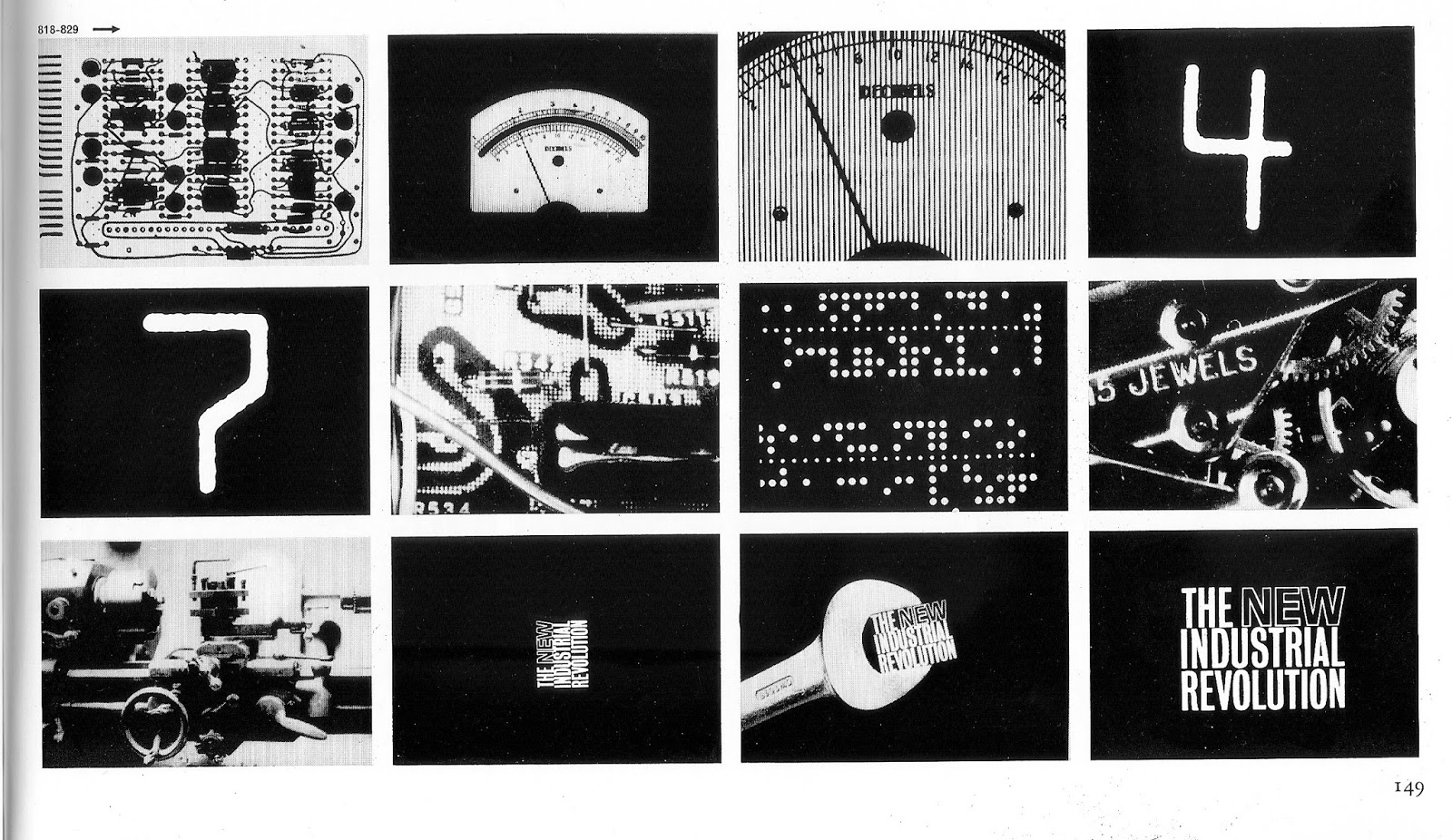
Scans taken from:
Art in Movement by John Halas & Roger Manvell, Studio Vista, 1970
Computer Animation by John Halas, Focal Press, 1974
The wonderful graphic resource 50watts.com has featured Peter's work several times, see here.